
Print On Demand 101 for Content Creators: What You Need to Know

Print-On-Demand for Creators: A Practical Guide to Launching and Growing Your Merch
Print on demand (POD) lets creators turn ideas into sellable merchandise without carrying inventory. This guide walks creators through how POD works, why it’s a low-risk revenue channel, and the steps to set up and manage your own merch store. If you’ve been searching for dependable ways to monetize your audience, POD gives you flexibility to experiment, personalize products, and keep the focus on your content while a partner handles fulfillment. Read on for practical advice on platforms, design, legal must-knows, and promotion tactics that actually move the needle.
Recent research shows creators combine merchandise with subscriptions and ad revenue to diversify income streams.
Digital Creator Monetization: Merchandise & Platform Strategies
This study examines how creators monetize across platforms, emphasizing three core approaches: subscription models like Patreon, ad-driven revenue on platforms such as YouTube, and emerging merchandise-led strategies on short-form platforms like TikTok.
The Innovation Economy of Digital Creators: Monetization Models across Platform Economies, T Iqbal, 2025
What Is Print On Demand and Why Is It Important for Content Creators?
Print on demand is a fulfillment model that lets you sell custom products without upfront inventory. When a customer orders, the item is printed and shipped by your POD partner, so you avoid stock risk and storage costs. For creators, POD is important because it provides a straightforward way to monetize your brand, test product ideas, and offer fans something tangible—without pulling you away from content creation.
How Does Print On Demand Work for Creators?
POD follows a simple workflow: you create a design, upload it to a POD platform, and list the product in your store. When someone buys, the platform prints, packs, and ships the item for you. That hands-off fulfillment means you can focus on marketing, community, and new designs while a partner manages production and logistics.
What Are the Benefits of Print On Demand for Adult and Digital Content Creators?
POD is low-cost to start because there’s no inventory to buy. That makes it easy to test concepts or limited drops without financial risk. You also control pricing and creative direction, which preserves brand ownership. For adult and other niche creators, POD lets you offer tailored products that reinforce audience loyalty while keeping compliance and distribution handled by an experienced provider.
How Do You Choose the Best Print On Demand Platforms for Content Creators?
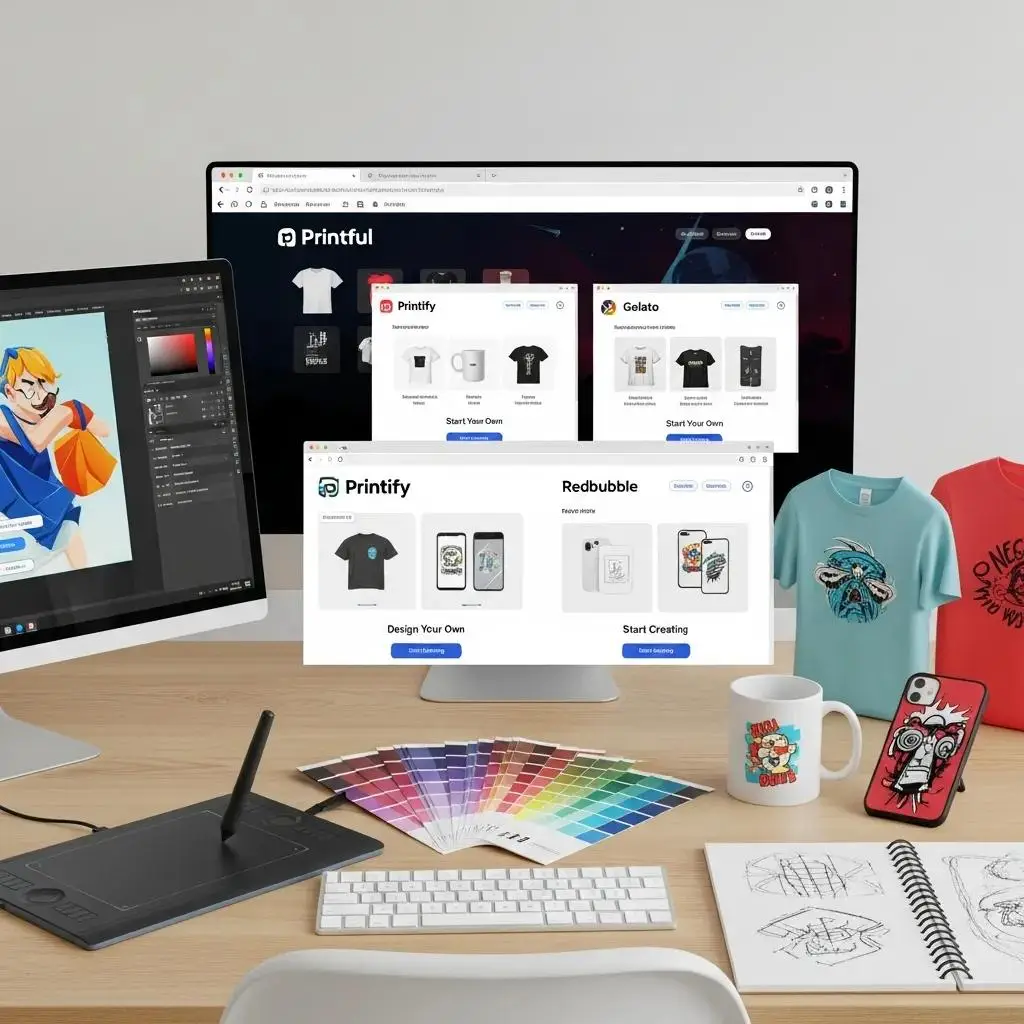
Picking the right POD partner matters. Platforms differ in product selection, print quality, shipping options, and content rules—so match a platform’s strengths to your brand and audience.
Which Print On Demand Platforms Support Adult Content Creators?
Not all POD services allow adult-oriented designs. If your content falls into that category, prioritize platforms with clear, adult-friendly policies and a track record of working with creators in similar niches. Check terms of service, user reviews, and whether the platform provides support for compliance or age-restricted products.
What Criteria Should You Use to Select a POD Partner?
Evaluate potential partners using these practical criteria:
- Product range: Make sure the catalog includes items your audience will buy.
- Print & fulfillment quality: Read reviews and order samples to confirm print fidelity and packaging.
- Pricing & margins: Compare base costs, shipping fees, and how much you can reasonably mark up.
Choose the partner that balances cost, quality, and the content policies that fit your brand.
How Can Content Creators Design High-Converting Merchandise for Their Audience?
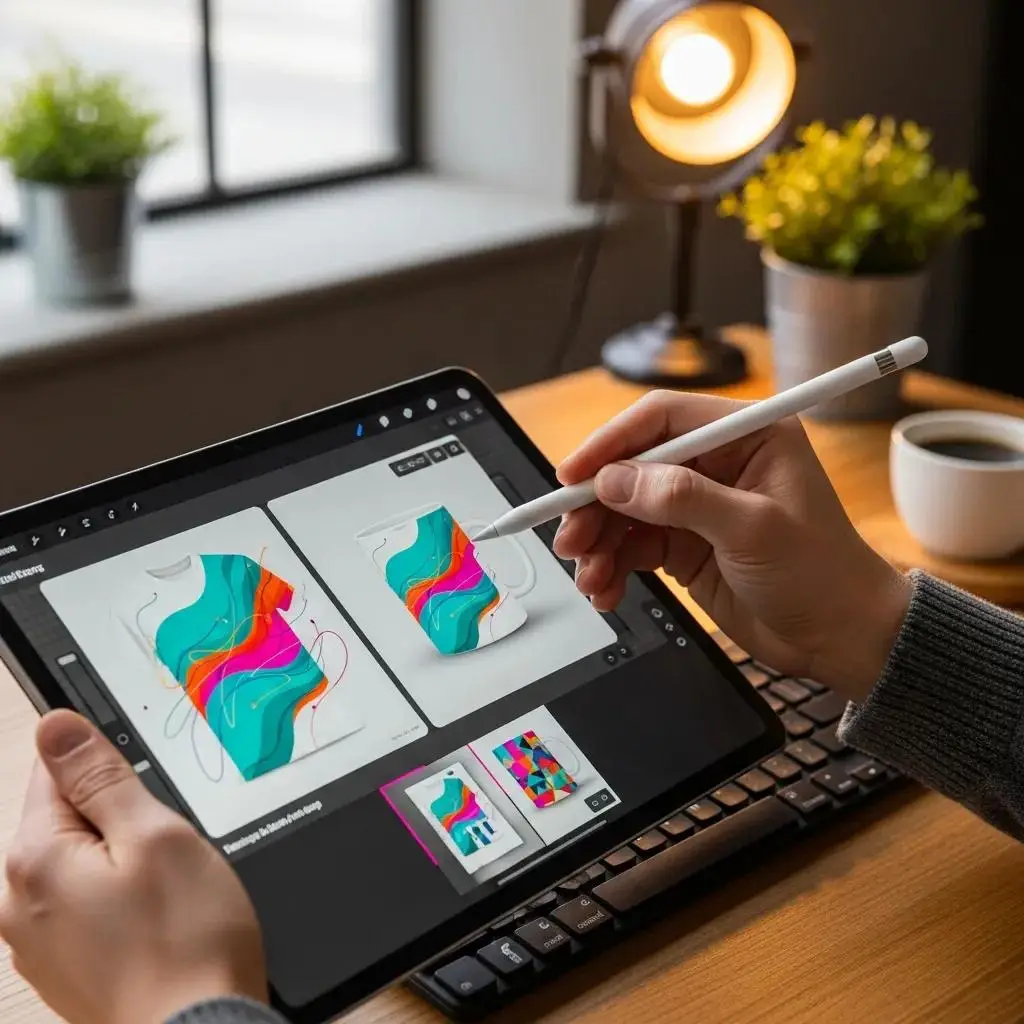
Great design converts browsers into buyers. The goal is products that feel on-brand, are easy to wear or use, and speak directly to your community’s tastes.
What Are Effective Design Strategies and Trends for Creator Merch in 2024?
In 2024, winning merch tends to be clean and focused: minimal layouts, confident typography, and punchy color palettes. Designs that reference community in-jokes, limited editions, or collaborations perform well. Use audience feedback and social trends to iterate quickly—test a few concepts, promote them to your core fans, and scale the winners.
Which Product Types and Personalization Options Work Best for Adult Creator Merch?
Apparel—t-shirts and hoodies—remains a top seller, but accessories like mugs, stickers, and phone cases are great for lower-price impulse buys. Personalization (names, dates, or custom messages) boosts perceived value and encourages shares. Offer a mix of staple items and a few customizable options to appeal to different buyer intents.
What Legal and Intellectual Property Rights Should Content Creators Know for Print On Demand?
Protecting your creative assets and staying compliant is essential when you sell merch. Understand the basics so you don’t unintentionally expose yourself to legal risk.
How Do Copyright and Trademark Laws Affect Creator Merchandise?
Copyright protects original artwork and designs—don’t print someone else’s work without permission. Trademarks protect brand names and logos; registering key marks can help you block unauthorized uses. When in doubt, document the origin of your designs and consult a lawyer for anything beyond basic protection.
What Compliance Requirements Are Specific to Adult Content Merchandising?
Adult creators face extra compliance needs like age verification and record-keeping. Familiarize yourself with relevant laws—such as 18 U.S.C. § 2257 where applicable—and use POD partners who understand these rules. Proper processes and documentation reduce the risk of platform bans or legal issues.
What Are the Key Steps to Setting Up and Managing a Successful Print On Demand Merch Store?
Launching a POD store is about systems: product selection, storefront setup, payment flows, and customer experience. Organize these elements early to scale smoothly.
How Do You Integrate E-commerce Platforms and Payment Processors Like CCBill?
Choose e-commerce platforms that integrate with payment processors suited to your audience and content type. CCBill, for example, supports payments for adult-oriented businesses and can reduce payment friction. Configure your integrations, test transactions, and ensure checkout flows are clear and secure for buyers.
What Pricing, Fulfillment, and Customer Service Strategies Maximize Profitability?
Set prices that cover base product costs, platform fees, shipping, and a healthy margin. Speed and accuracy in fulfillment improve retention—work with partners known for on-time delivery. Finally, make customer service simple: clear policies, prompt responses, and easy returns build trust and repeat business.
How Can Content Creators Market and Promote Their Print On Demand Merchandise Effectively?
Marketing turns products into sustainable income. Use channels where your audience is already active and make buying a natural next step after engaging with your content.
Which Social Media and SEO Tactics Boost Merch Visibility and Sales?
Use social posts, short videos, and stories to showcase products in real life—behind-the-scenes, unboxings, and fan photos work well. For discoverability, optimize product titles and descriptions with relevant keywords, and keep metadata consistent across platforms. Combine organic posts with targeted ads for new-audience reach.
How Do Limited Drops, Bundles, and Influencer Collaborations Enhance Merch Success?
Limited drops create urgency, while bundles increase average order value by packaging complementary items. Partnering with influencers—especially ones who genuinely resonate with your niche—can expose your merch to new, receptive audiences and drive credible social proof.
Print on demand gives creators a low-barrier way to sell branded products while keeping creative control. With thoughtful platform selection, smart design choices, and consistent promotion, merch can become a reliable revenue stream that complements your content and deepens audience connection.
Frequently Asked Questions
What are the initial steps to start a print on demand business?
Start by defining your audience and identifying product ideas that match their interests. Create a few strong designs, pick a POD platform that fits your needs, and set up your storefront. Connect a payment processor, list products with clear descriptions, and plan a launch promotion to drive initial traffic.
How can I effectively market my print on demand products?
Show your products in context—use short-form video, lifestyle photos, and user-generated content. Optimize listings with keywords and persuasive descriptions, run targeted social ads for reach, and build an email list for repeat-sales and promo drops.
What are common mistakes to avoid when starting a POD business?
Avoid skipping market research or launching too many products at once. Don’t rely on low-quality mockups—order samples to check print and fit. Also, don’t ignore store SEO or customer service; both hurt discoverability and repeat business if neglected.
How do I handle customer service for my print on demand store?
Offer a clear contact channel and set expectations for response times. Publish an FAQ and an easy-to-find returns policy. Track common issues and feed that insight back into product descriptions, sizing charts, and fulfillment choices to reduce repeat problems.
What are the best practices for pricing my print on demand products?
Price to cover production, shipping, platform fees, and a margin that reflects your brand value. Benchmark competitors, offer occasional promotions or bundles, and review pricing based on sales performance and customer feedback.
How can I track the performance of my print on demand store?
Use your platform’s analytics and tools like Google Analytics to monitor sales, conversion rates, and traffic sources. Track product-level performance to find winners, and use that data to guide future designs and marketing budgets.
Conclusion
Print on demand puts merch within reach for creators who want to monetize without the hassle of inventory. With the right partner, clear designs, and consistent marketing, merch can become a steady, scalable income stream that strengthens your brand. Start small, learn from early launches, and iterate—your next successful drop is a few experiments away.